Where the Magic Began: The Story Behind Tutu School
Before there was Tutu School, there was TUTU. And before there was TUTU, there was a young dancer falling in love with the beauty and magic of ballet.
Tutu School Founder and CEO, Genevieve Custer Weeks, grew up immersed in ballet, beginning a relationship with the art form that would eventually lead to a career as a professional dancer. She knew firsthand the beauty of ballet, from the music and storytelling to the discipline, tradition, and extraordinary feeling of expressing something through movement. But as much as she loved ballet, she also imagined an opportunity to introduce it to young children in a different way.
What if a child’s first experience with ballet could feel every bit as magical as ballet itself?
That question would eventually become the heart of Tutu School.
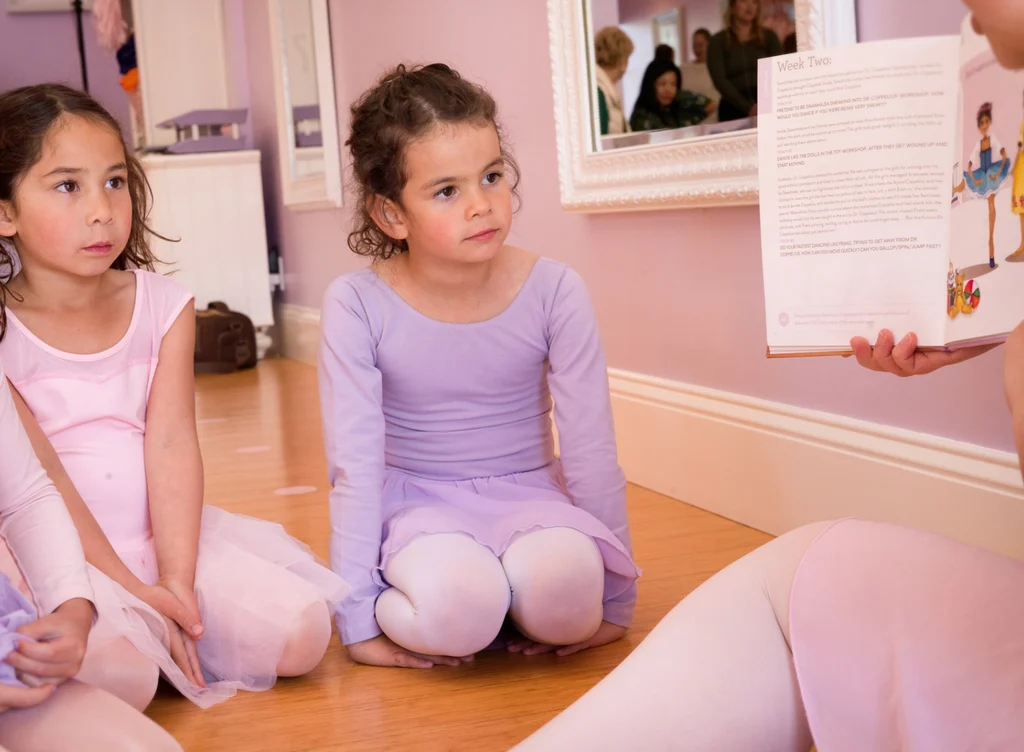
It Started With a Book
As a young girl, Genevieve fell in love with a book called TUTU by Audrey Chevance. Its pages captured so much of what fascinated her about the world of ballet: its beauty, imagination, artistry, and, of course, the tutus.
The book became something she treasured, and its sense of wonder stayed with her as her own relationship with ballet grew from childhood classes to a professional dance career. Years later, when Genevieve began imagining a ballet school of her own, TUTU remained a meaningful connection to the feeling that had drawn her to ballet in the first place.
That feeling helped shape a larger vision for what ballet education for young children could look and feel like. Rather than simply creating a smaller version of a traditional ballet academy, Genevieve wanted to build something specifically for childhood, preserving the beauty and traditions of classical ballet while making them accessible, joyful, and meaningful for very young dancers.
A Different Kind of Ballet School
That vision eventually came to life on Bay Street in San Francisco, where Genevieve created a different kind of ballet school.
Her experience as both a lifelong student of ballet and a professional dancer gave her a deep respect for the art form and its traditions. But it also gave her perspective on how those traditions could be thoughtfully introduced to a child’s world.
From the beginning, the idea was to give children the opportunity to experience real ballet vocabulary, technique, music, and traditions in a way that made sense for their age and stage of development. Storytelling and imagination weren’t extras added to make class more entertaining. They became an important part of how ballet was introduced and taught.
That distinction mattered. A two-year-old experiences movement differently from a five-year-old, just as a five-year-old learns differently from an eight-year-old. Tutu School was designed to honor those differences while still giving every dancer an authentic introduction to the art form.
It also meant creating an environment where ballet could belong to every child. A young dancer didn’t need to be on a path toward becoming a professional ballerina to benefit from ballet or fall in love with it. There could be value simply in moving to beautiful music, stretching the imagination, learning something new, and experiencing the confidence that comes from trying.
Ballet, Designed for Childhood
That original philosophy continues to shape Tutu School today. At the center of the experience are age-appropriate ballet lessons brought to life through storytelling, imagination, and care.
Our dancers learn ballet vocabulary and foundational technique while developing coordination, balance, musicality, body awareness, and an appreciation for classical music. But those lessons might unfold while traveling through an enchanted forest, dancing at an imaginary grand ball, or discovering the story behind a famous classical ballet.
There is intention behind that approach. Young children naturally learn through movement, repetition, stories, play, and connection. By bringing those elements into the ballet classroom, we can meet children where they are developmentally while still introducing them to an art form with centuries of history and tradition.
The result is an experience that feels magical to a child while being thoughtfully designed by the adults behind it.
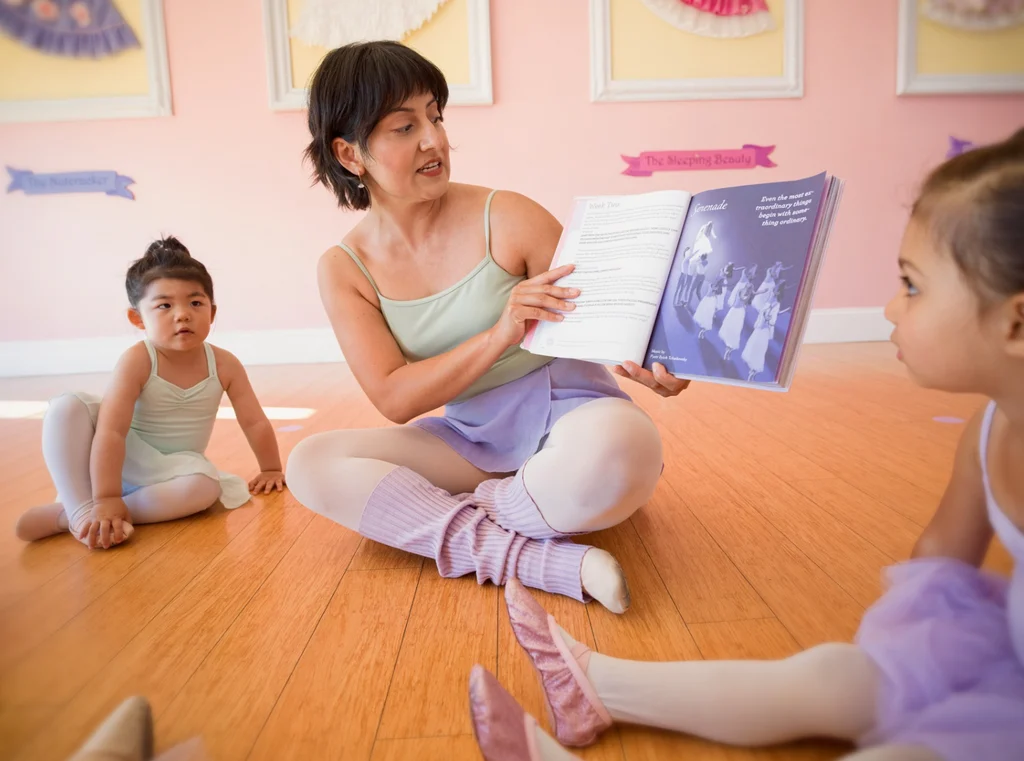
The Heart of a Tutu Teacher
Genevieve’s original vision wasn’t only about what children would learn. It was equally important to consider how they would experience learning it, which is why Tutu Teachers have always played such an important role in bringing the philosophy to life.
Teaching ballet to young children requires much more than demonstrating the correct steps. It requires ballet knowledge alongside patience, creativity, warmth, and an understanding of childhood development. A great Tutu Teacher knows how to recognize when a hesitant dancer needs encouragement, when a movement needs to be explained in a new way, or when an imaginative story can help a child understand what their body is being asked to do.
They also recognize that progress can take many forms. Learning a new ballet step is exciting, but so is the moment a child participates independently for the first time, remembers a piece of vocabulary, raises their hand with confidence, or finally tries something they’ve been quietly watching for weeks.
Those moments are part of ballet education, too.
The Story Continues
What began with a young dancer’s love of ballet, a treasured book, and eventually an idea for a different kind of ballet school on Bay Street has grown far beyond that first studio. Today, Tutu Schools continue creating spaces where magic, confidence, and a love of ballet can grow.
The scale may have changed, but the heart of the idea hasn’t. Every day, children walk into Tutu School and begin forming their own relationship with ballet, much like Genevieve did years ago. They hear classical music that gradually becomes familiar, learn words and movements that once felt completely new, stretch their imaginations through stories, and experience the pride that comes from discovering what they’re capable of.
Families get to witness those discoveries, too. A first pair of ballet slippers, the first class without a grown-up, a first Bravo Bash, or a particularly proud bow can become part of a child’s earliest memories of movement and the arts.
Tutu School was never created simply to teach children how to dance. It was created to give them a beautiful place to experience ballet in a way that honors childhood, builds confidence, encourages imagination, and leaves room for plenty of magic along the way.
Before there was Tutu School, there was a young dancer and a beloved copy of Audrey Chevance’s TUTU. And all these years later, that original sense of wonder continues every time a new little dancer walks through our doors.
other posts you might like


Newsletter