Why Musicality & Rhythm Matter for Little and Big Dancers
At Tutu School, music is never just background sound. It is a guide, a partner, and a teacher.
From a baby’s first bounce to an older dancer’s careful pause before beginning, musicality and rhythm shape how children experience movement in our classrooms. Long before children learn steps or sequences, they learn how to listen, wait, respond, and move with intention.
These early musical experiences matter more than many people realize.
Music Is One of the First Ways Children Learn
Young children are naturally musical. They respond to sound with their whole bodies. They sway, freeze, tap, rush forward, and pause again, often before they have words to explain what they hear.
In our Tutu School classes, we notice this instinct and build our teaching around it. Rather than asking children to move over the music, we invite them to move with it.
Children learn to notice when the music starts and stops, when it feels fast or slow, strong or gentle. They begin to understand that sound carries information, and their bodies can respond thoughtfully.
This kind of listening supports focus, coordination, and self-regulation in a way that feels playful and natural.
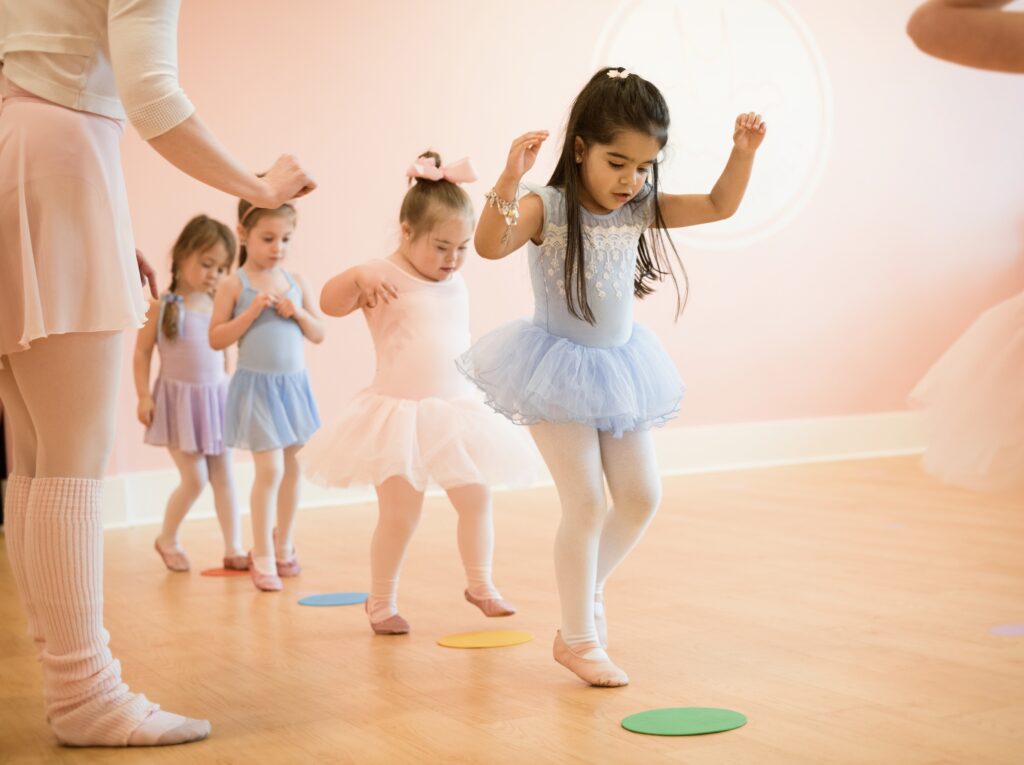
Rhythm Helps Children Organize Movement
Rhythm gives children structure. It helps them understand timing and predict what comes next.
When children march to a steady beat, freeze when music pauses, or change speed as the sound changes, they are learning how to organize their bodies in space and time. These experiences support balance, body awareness, and confidence.
Parents often notice this at home when their dancer claps to music, freezes dramatically during a song, or insists on starting “when the music begins.”
Musicality Grows With the Child
Musicality looks different at different ages, but it remains central throughout a child’s experience at Tutu School.
- Our youngest dancers explore music through bouncing, marching, and responding to sound alongside a caregiver.
- Preschool dancers begin moving independently, practicing fast and slow movement, waiting for musical cues, and stopping together.
- Older dancers develop greater control, starting and finishing movement with the music, adjusting speed with intention, and listening for musical phrasing.
Each stage builds naturally on the last, without pressure.
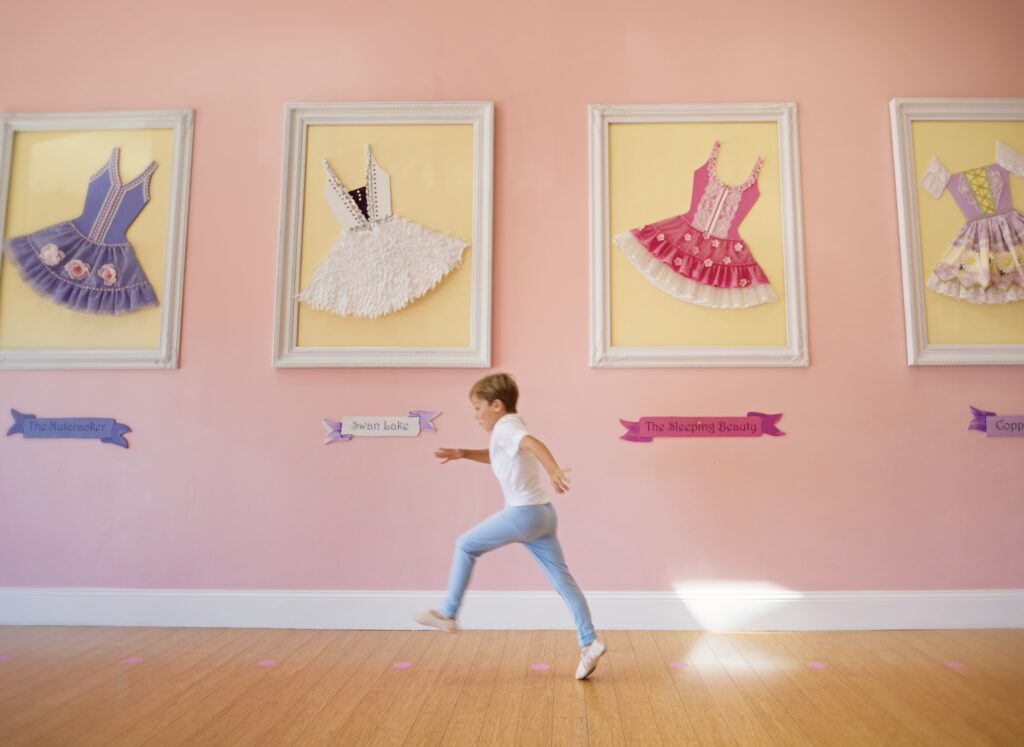
Stillness Is Part of the Music Too
Musicality is not only about movement. It is also about stillness.
Learning to pause, wait, or hold a shape until the music changes supports patience, focus, and body control. In class, stillness is treated as an active choice, not a mistake.
Children learn that silence and waiting are meaningful parts of music, just as movement is.
Why Musicality Matters Beyond Dance Class
The skills children practice through musical movement extend far beyond the studio.
When children learn to listen closely, respond to cues, and move with timing, they are developing abilities that support learning in many settings. They gain confidence in their bodies, awareness of their surroundings, and trust in their ability to follow and interpret information.
Musicality supports learning not because it is technical, but because it is human.
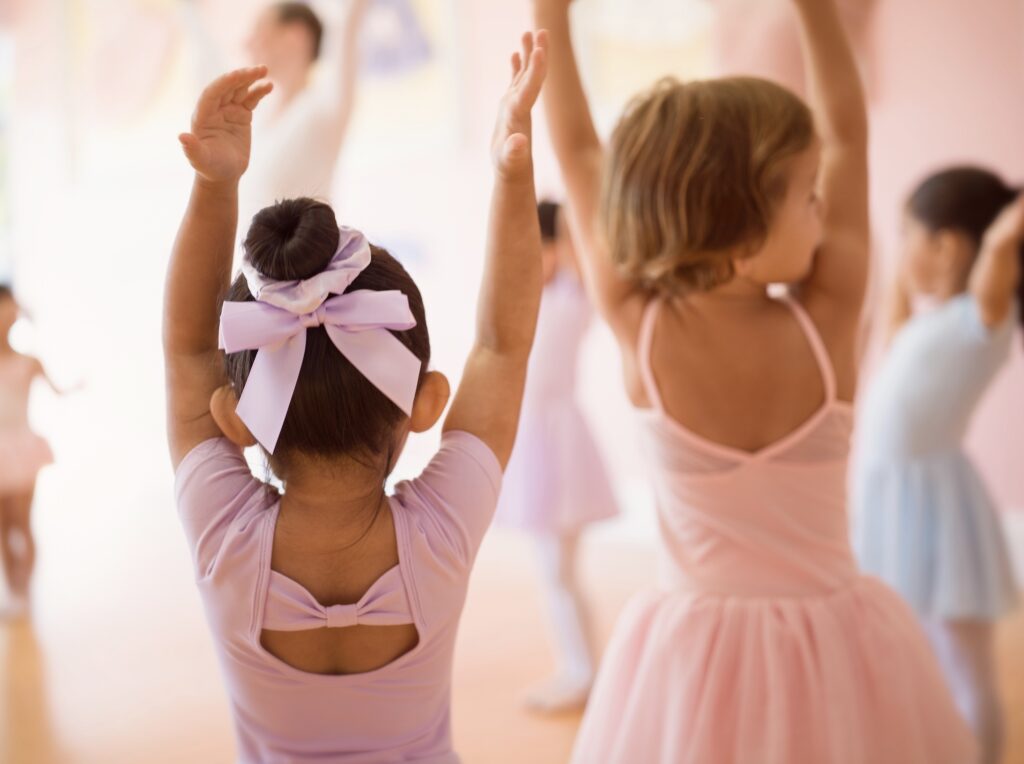
Musicality at the Heart of Tutu School
At Tutu School, musicality and rhythm are not a one-time focus. They are woven into every class, every story, and every stage of development.
As children grow and explore new ideas like expression, storytelling, balance, and performance, their relationship with music continues to deepen. Music remains a guide that helps them move with intention, confidence, and joy.
other posts you might like


Newsletter