Growing in Grace: Understanding Age Divisions
At Tutu School Haslet, ballet is about so much more than learning steps. It’s about building confidence, encouraging creativity, developing coordination, and honoring each child exactly where they are in their growth journey.
At Tutu School Haslet, our curriculum is intentionally divided into age-appropriate stages that support the physical, emotional, social, and creative development of our students. Whether a child is learning how to participate in a class for the first time, practicing taking turns with peers, or mastering more advanced coordination and choreography, we have age divisions that can meet their developmental needs.
Why Do Developmentally Appropriate Class Levels Matter?
At Tutu School Haslet, we believe children learn best when they are taught in ways that honor where they are developmentally. While ballet is often associated with technique and discipline, early childhood ballet is just as much about supporting healthy physical, emotional, social, and cognitive growth.Children grow rapidly in their early years, and even a difference of 6–12 months can significantly affect coordination, attention span, social confidence, and physical readiness. Their young bodies are still growing, and their muscles, bones, balance systems, and coordination skills develop in stages.
Developmentally appropriate classes help ensure children are introduced to movement patterns and ballet vocabulary when their bodies are truly ready. This helps children:
- Develop balance and body awareness naturally
- Build coordination without frustration
- Strengthen gross motor skills safely
- Learn healthy movement habits from the beginning
Rather than pushing technique too early, age-appropriate ballet lays the groundwork for strong technique later.
Class Levels Overview
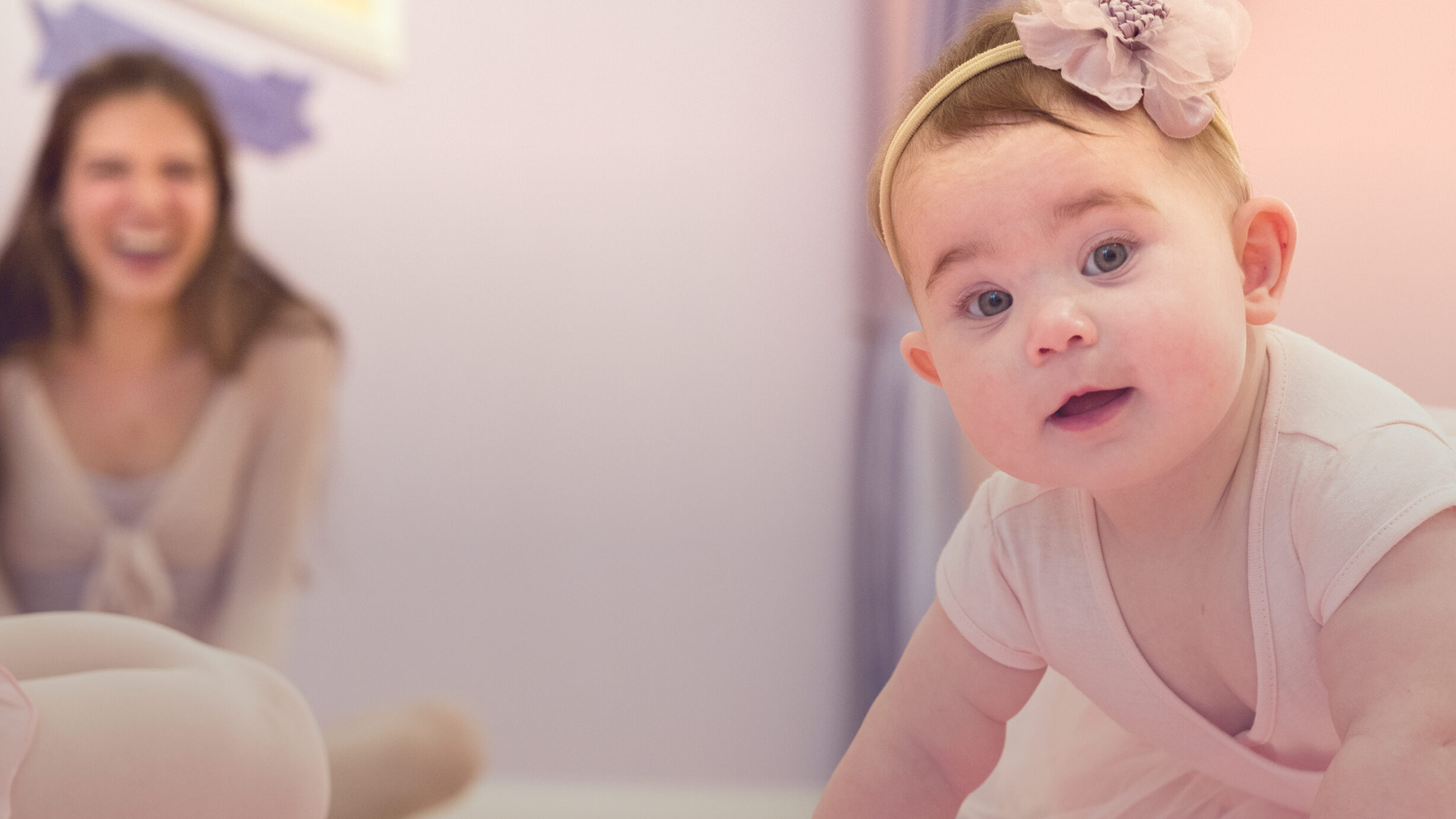
Baby Ballet (Age 6–18 Months)
At Tutu School Haslet, we believe a love for movement and creativity can begin earlier than many people imagine. Our Baby Ballet division is thoughtfully designed for infants ages 6–18 months, offering one of the earliest opportunities for little ones to experience the joy of music, movement, and connection in a nurturing ballet environment. Our Baby Ballet curriculum is carefully curated to support infant development in a way that feels natural, playful, and engaging. Each class includes 35 minutes of teacher-guided activities followed by 10 minutes of open play and caregiver socialization, giving both babies and caregivers a meaningful opportunity to connect, learn, and build community. In every Baby Ballet class, dancers and caregivers can expect:
- A safe, warm, and welcoming ballet classroom environment
- Teacher-guided movement and body awareness activities
- Infant-safe props and musical instruments
- Stretching and floor movement activities using individual mats
- Special bonding opportunities through music, movement, and play
Our instructors bring foundational knowledge of infant and early childhood development, allowing each class to support not only movement milestones, but also sensory exploration, social engagement, and caregiver confidence.
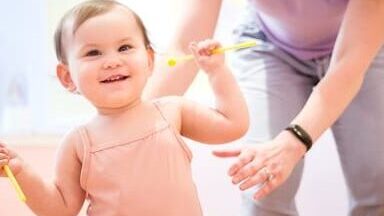
Tutu Toddlers A/B (Age 18 months-3 years)
Our Tutu Toddlers division is where many dancers begin their journey. These classes include caregiver participation, creating a warm and secure environment where little ones can explore movement while feeling supported.
At this age, children are discovering how their bodies move, how to follow routines, and how to engage in a group setting. In class, students are introduced to:
- Movement and music exploration
- Storytelling through dance
- Early classroom routines
- Social interaction and guided participation
- Creative movement and musicality
- Listening skills
- Preparation for more independent learning
One of the first ballet concepts we introduce in this division is “Zero Position”—feet zipped tightly together in parallel. This foundational position helps our youngest dancers begin understanding body awareness and alignment in an age-appropriate way. Most importantly, our goal in Tutu Toddlers is to create an unforgettable first experience with ballet—one filled with joy, imagination, and connection.

Exploring Ballet A/B (Age 3-4 Years)
Exploring Ballet A/B is the first division where dancers attend class independently, without caregiver participation. This is a huge developmental milestone, and we support it with gentle encouragement, structure, and plenty of creativity. In this level students can expect to:
- Practice taking turns
- Follow classroom structure independently
- Move across the floor in small groups
- Learn foundational ballet positions and steps
This level is best for children who are looking to build a foundation for ballet and learn to operate in a classroom environment.
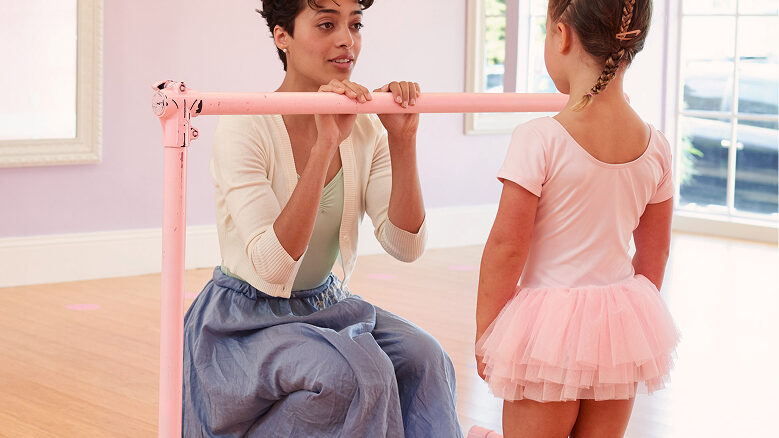
Exploring Ballet B/C (Age 4.5-5 Years)
As confidence grows, dancers begin refining technique while developing stronger musical awareness. In this level, dancers take another exciting step forward. Students in this level focus on:
- Finding rhythm in music
- Creating long lines and straight knees
- Understanding the mechanics of jumps
- Beginning port de bras (arm positions)
- Starting and finishing combinations with intention
- Introductory barre work
- Moving on the diagonal
- Understanding right vs. left
At this stage, children are not only learning ballet—they’re learning discipline, focus, memory, and self-confidence.
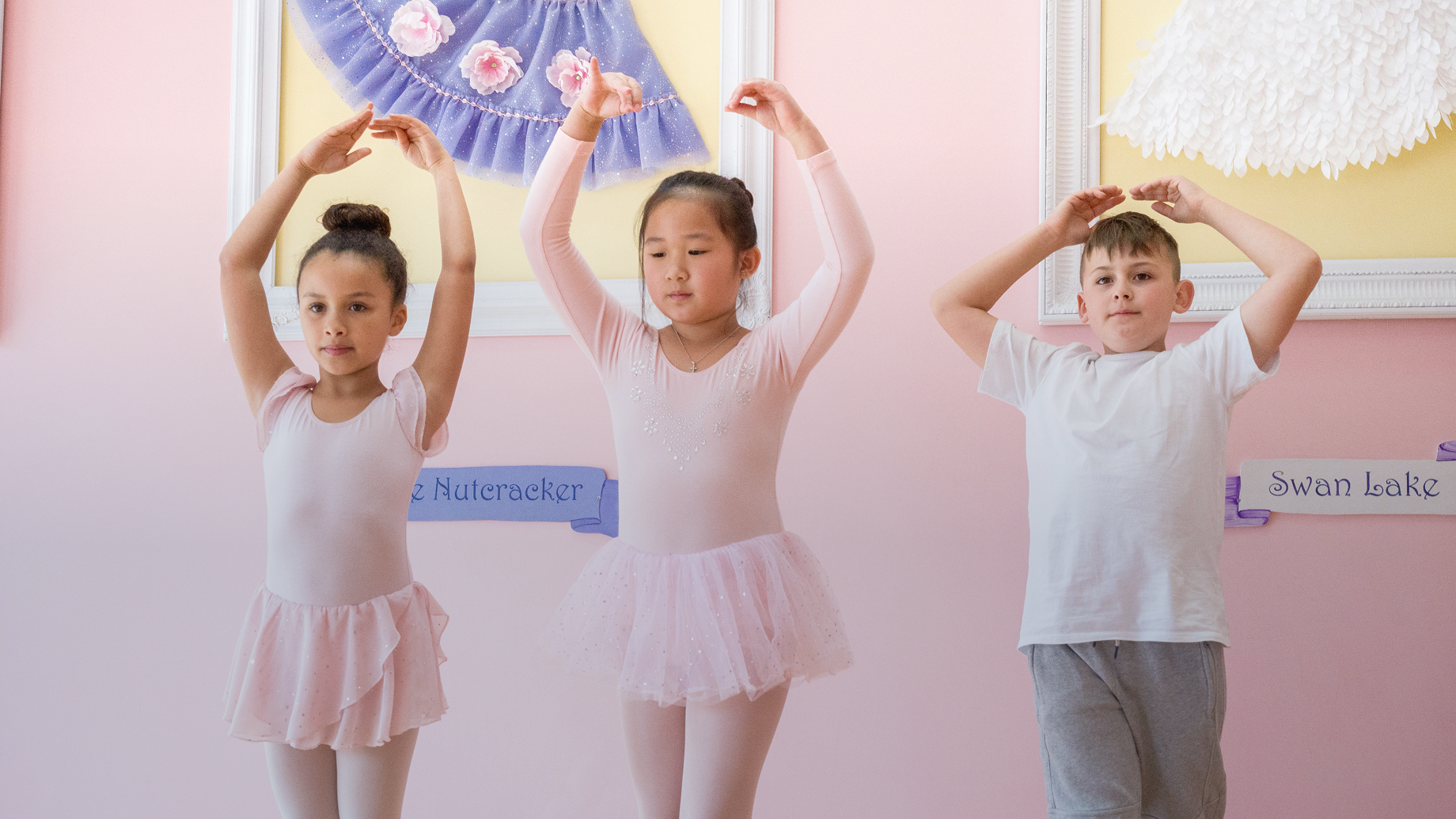
Primary Ballet Prep A/B (Age 6-8 Years)
As dancers enter Primary Ballet Prep, they are ready for more focused technical work while still preserving the joy and imagination that makes childhood ballet so special. Students in this level focus on:
- More in-depth barre work
- Learning combinations and choreography
- Studying a monthly featured ballet step
- Strengthening right and left differentiation
- Learning longer combinations
- More challenging choreography
- Increased coordination and musical interpretation
- Expanded barre vocabulary
These are the building blocks that prepare students for more disciplined ballet study.
other posts you might like


Newsletter